Damaged or worn window screens don’t just look unsightly—they compromise your home’s comfort, pest protection, and energy efficiency. For Mid-Atlantic homeowners facing extreme weather from hurricanes to freezing winters, knowing when to replace window screens protects your investment in energy-efficient replacement windows.
Whether you’re dealing with tears from summer storms or wear from daily use, understanding the signs of screen failure helps you maintain a comfortable, well-protected home. Here’s your complete guide to window screen replacement, including material options, maintenance tips, and when professional replacement makes the smarter choice.
How Window Screen Materials Affect Lifespan
Before you can determine when to replace window screens, you need to understand what affects their durability. Not all screens are created equal—material quality and construction significantly impact how long your screens will last.
Screen mesh materials include fiberglass, aluminum, and steel. Fiberglass screens are the most affordable and popular option for Maryland and Virginia homes, offering good visibility and rust resistance. However, they stretch over time and tear more easily than metal alternatives. Aluminum screens provide superior durability, resist sagging, and handle pet claws better, though they cost more and reduce visibility slightly due to reflective properties.
Frame construction matters significantly. While steel frames may seem stronger, aluminum frames excel at withstanding the Mid-Atlantic’s challenging conditions—intense sun exposure, humidity, and temperature swings. Aluminum resists rot and rust better than steel, particularly important in coastal areas like the Eastern Shore and Hampton Roads. The joint construction also matters; mitered corners typically offer better durability than plastic corner pieces.
Exposure to Mid-Atlantic weather extremes dramatically affects screen lifespan. Maryland and Virginia homeowners face unique challenges from hurricane-force winds, intense summer sun, winter ice, and high humidity. Screens on south and west-facing windows endure more UV damage, while coastal locations battle salt air that accelerates corrosion. A well-maintained screen in a sheltered location could last 10-15 years, but harsh exposure can reduce this to 5-7 years.
5 Clear Signs It’s Time to Replace Window Screens
Don’t wait until insects invade or frames collapse. Watch for these telltale signs that indicate immediate screen replacement:
- Visible tears or holes in the mesh. Ripped screens compromise your home’s first line of defense against mosquitoes, stink bugs, and other Mid-Atlantic pests. While small tears under one inch can sometimes be patched, larger damage requires full replacement. Multiple small holes scattered across the mesh indicate the material has reached the end of its service life and patching won’t solve the problem long-term. If you’re also noticing issues with the windows themselves, review our guide on when to replace windows.
- Bent, warped, or damaged frames. When screens become difficult to remove or install, the frame integrity has likely failed. Warped frames don’t seal properly, allowing insects through gaps even when the mesh appears intact. Bent corners or bowing in the middle indicates the frame can’t maintain proper tension on the mesh, leading to sagging and eventual tears.
- Difficulty operating windows or removing screens. Screens that stick, bind, or refuse to slide smoothly signal frame warping from temperature fluctuations. Mid-Atlantic homes experience temperature swings from below freezing to above 95°F, causing frames to expand and contract. Over time, this thermal cycling permanently deforms frames, making screens nearly impossible to remove for cleaning or winter storage.
- Visible rust or corrosion on frames and hardware. Maryland and Virginia’s humid summers accelerate rust formation, particularly on older screens without protective coatings. Rust weakens structural integrity and stains surrounding areas. Once corrosion starts, it spreads rapidly—replacement prevents further damage to window frames and surrounding trim.
- Shiny or discolored mesh material. New screens have a matte, dark finish that provides good visibility. As mesh material degrades from UV exposure and weathering, it becomes shiny and reflective. This glossy appearance indicates the material has lost structural integrity and will tear easily. Discoloration or fading also suggests the mesh has weakened significantly.
Window Screen Material Options for Mid-Atlantic Homes
Choosing the right screen material depends on your specific needs, budget, and environmental conditions. Here’s what works best for Maryland and Virginia homes:
Fiberglass mesh remains the most popular choice for homeowners throughout the Mid-Atlantic region. It offers several advantages: affordability (typically $8-15 per screen for DIY materials), complete rust resistance, good visibility, and easy DIY installation. Fiberglass screens work well on protected windows and for homeowners on a budget. However, they stretch over time, tear more easily than metal alternatives, and provide less pet resistance. Expect 10-12 years of service life in typical conditions, less in harsh exposure.
Aluminum screens deliver superior durability worth the higher investment ($15-25 per screen for DIY materials). They resist sagging even in large window sizes, withstand pet scratching better than fiberglass, and last 15-20 years in Mid-Atlantic conditions. The tradeoff is reduced visibility due to the material’s reflective nature and higher material costs. Aluminum screens make sense for high-traffic windows, homes with pets, or areas with harsh weather exposure.
Pet-resistant screens feature heavy-duty vinyl-coated polyester specifically engineered to withstand scratching and impact. For homes with cats or dogs, this upgrade ($20-40 per screen) prevents the recurring damage that makes standard screens impractical. The heavy-duty mesh resists tearing from claws while maintaining airflow and visibility. This investment quickly pays for itself by eliminating the need to replace damaged screens multiple times per year.
Solar screens block up to 90% of UV rays and reduce heat gain by 10-15%, making them ideal for sun-exposed windows. While more expensive ($30-50 per screen), they complement energy-efficient windows by reducing cooling costs during hot Mid-Atlantic summers. Solar screens work particularly well on west-facing windows that receive intense afternoon sun, helping protect furniture from fading while reducing air conditioning loads.
Professional Window Screen Replacement vs. DIY
While DIY screen replacement saves money for straightforward projects, certain situations demand professional expertise to ensure proper fit and performance.
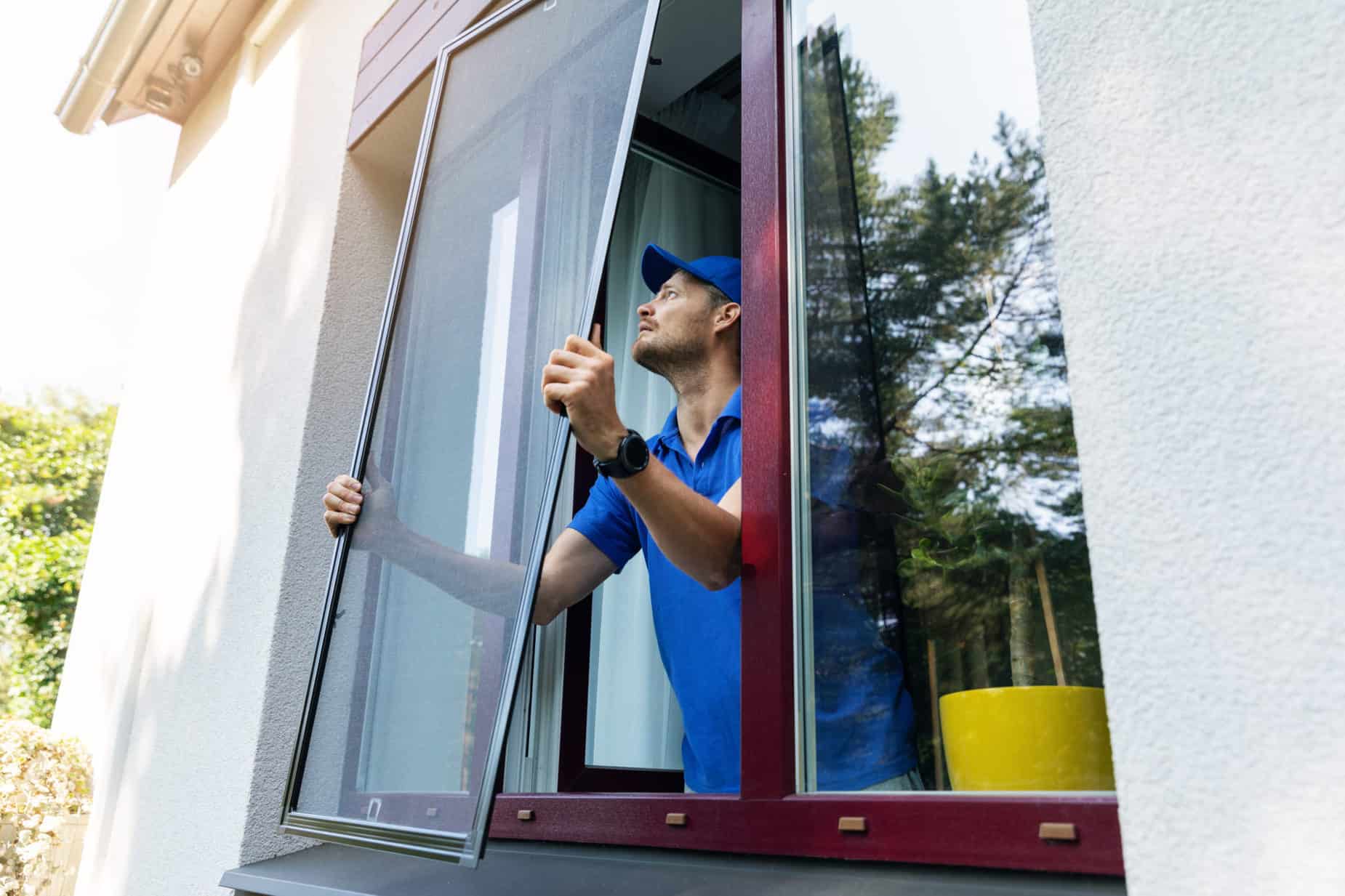
When DIY makes sense: Standard rectangular screens with readily available frame sizes work well for DIY replacement. If you have basic tools, patience, and one or two screens to replace, DIY can save $35-65 per screen in labor costs. The process requires a flat work surface, spline roller tool ($10-15), utility knife, and replacement screening material. Most hardware stores sell screen repair kits for $15-30 that include everything needed for one standard window.
When professional replacement is smarter: Custom or specialty windows like bay windows, bow windows, or architectural shapes require precise measurements and specialized frames only professionals can fabricate. Attempting DIY on these windows often results in ill-fitting screens that don’t seal properly, wasting money on materials while still needing professional correction. If your windows also need attention beyond just screens, consider whether you should repair or replace broken windows.
Multiple screens benefit from professional efficiency. If you need to replace 10 or more screens, professional contractors complete the work much faster and more consistently. They often finish 10-15 windows in a single day, compared to a weekend project for a DIY homeowner. Bulk pricing frequently reduces per-screen costs, sometimes to $40-50 each including labor—comparable to DIY materials plus your time. When dealing with multiple window issues beyond just screens, read about common window repairs and when replacement makes more sense. For comprehensive guidance, see our article on 10 signs you need window replacement.
High-access windows pose safety concerns. Screens on second stories, above entryways, or in other hard-to-reach locations require proper equipment and safety training. Professional installers have ladders, scaffolding, and insurance to handle high-access work safely. The risk of falls or dropped screens causing property damage makes professional service the responsible choice for elevated windows.
Energy efficiency considerations warrant professional consultation. Screens affect window performance by blocking airflow and reducing natural ventilation efficiency. Professionals can recommend solar screens or high-performance options that complement your custom-manufactured windows while maintaining energy savings.
Window Screen Replacement Cost Guide
Understanding cost factors helps you budget appropriately and choose between DIY and professional options for your Maryland or Virginia home.
DIY window screen replacement costs range from $15-50 per window for materials. Basic fiberglass screening runs $8-15 per window, while upgraded materials like pet-resistant or solar screening cost $20-40 per window. Tool costs add $15-30 if you don’t own a spline roller and utility knife. For a typical 10-window project, expect $80-200 in materials plus 4-6 hours of your time.
Professional screen replacement averages $50-80 per screen in the Mid-Atlantic region, including labor and materials. This pricing covers standard sizes and materials. Custom sizes, specialty materials like solar screens, or difficult-access windows increase costs to $100-150 per screen. Most contractors offer volume discounts—replacing 10 or more screens often reduces per-unit costs by 15-25%. For context on when to choose repair versus replacement for your windows, review our window repair vs replacement guide.
Full frame replacement including both screen and frame costs $60-125 per window professionally installed. This option makes sense when frames show significant rust, warping, or damage that prevents proper screen function. New frames ensure optimal performance and eliminate the frustration of dealing with stuck or ill-fitting screens.
Essential Window Screen Maintenance Tips
Proper maintenance extends screen life and protects your investment in quality replacement windows. Follow these practices to maximize screen lifespan:
Seasonal cleaning prevents buildup of pollen, dust, and grime that degrades screen materials. Remove screens twice yearly—spring and fall—for thorough cleaning. Spray with a garden hose to remove loose debris, wash with mild soap solution using a soft brush, rinse thoroughly, and allow to air dry completely before reinstalling. Never use harsh chemicals or high-pressure washers that can damage mesh material. For detailed instructions, see our guide on how to keep your windows clean.
Winter storage prevents ice and snow damage. Remove screens before the first freeze, particularly important in Maryland and Virginia where ice buildup can tear mesh and warp frames. Store screens flat in a dry location like a basement or garage. Avoid stacking which can cause frame warping. Label each screen with its location for easy spring reinstallation.
Regular inspection catches small problems before they become major repairs. Check screens each spring before reinstalling for tears, loose spline (the rubber cord holding mesh in place), frame damage, rust spots, and hardware issues. Address minor problems immediately—a small tear caught early can be patched, but left alone it will expand into damage requiring full replacement. Learn more about comprehensive window care and maintenance.
Immediate repair of minor damage extends screen life significantly. Small tears under one inch can be patched with screen repair tape or patch kits available at hardware stores for $5-10. Apply patches to both sides of the tear for maximum durability. This quick fix adds months or years before full replacement becomes necessary.
Proper removal and installation technique prevents damage. Most residential screens have tabs or spring-loaded mechanisms—gently press corners inward while pulling the screen out. Never force stuck screens, which can bend frames or tear mesh. If a screen sticks consistently, the frame has likely warped and needs replacement.
How Window Screens Complement Energy-Efficient Windows
Quality window screens work synergistically with energy-efficient replacement windows to maximize home comfort and savings.
Natural ventilation reduces cooling costs. ENERGY STAR® certified windows combined with intact screens enable effective cross-ventilation during mild weather. This natural cooling reduces air conditioning usage by 10-15% during spring and fall months when outdoor temperatures are comfortable. For Mid-Atlantic homeowners, this translates to significant utility savings during shoulder seasons.
Solar screen technology blocks heat gain while maintaining views and natural light. Specialized solar screens can reduce heat gain through windows by up to 90%, particularly valuable on west-facing windows that receive intense afternoon sun. This technology works alongside Low-E window coatings to manage solar heat, reducing cooling costs during Maryland and Virginia’s hot, humid summers.
Insect protection enables comfortable ventilation. Without functional screens, homeowners can’t safely open windows during mild weather, forcing reliance on air conditioning even when natural ventilation would suffice. Maryland and Virginia’s mosquito and stink bug populations make intact screens essential for enjoying fresh air without compromising indoor comfort. Learn more about the importance of window screens for home comfort.
UV protection prevents interior fading. Quality screening materials block significant UV radiation that causes furniture, flooring, and artwork to fade. Combined with Low-E window coatings, screens provide comprehensive protection against damaging ultraviolet radiation while still allowing natural light into your home.
Regional Considerations for Mid-Atlantic Homeowners
Maryland, Virginia, and DC homeowners face unique challenges that affect window screen performance and replacement decisions.
Hurricane season preparation runs from June through November, bringing high winds that test screen durability. Standard hardware store screens often fail in winds exceeding 70-80 mph, while quality screens rated for severe weather withstand the same 146 mph winds as Thompson Creek’s custom windows. Coastal homeowners particularly need wind-rated screens that won’t become projectiles during storms. Learn more about how to protect windows from strong winds.
Humidity and moisture management is critical in the Mid-Atlantic region. Maryland and Virginia’s humid summers create ideal conditions for rust and corrosion, especially on aluminum frames without protective powder coating. Marine-grade or powder-coated materials resist salt air and moisture in coastal areas like Hampton Roads, the Eastern Shore, and waterfront properties on the Chesapeake Bay.
Temperature extremes stress screen materials. Mid-Atlantic homes experience temperature swings from sub-zero winters to 95°F+ summers, causing frame materials to expand and contract. This thermal cycling eventually deforms frames, making screens difficult to operate. Quality vinyl and aluminum frames maintain structural integrity through these cycles better than cheap alternatives that warp after just a few seasons.
Pollen seasons require increased maintenance. Maryland and Virginia experience heavy pollen seasons twice yearly—spring tree pollen and fall ragweed. Yellow-green pollen coats screens, blocking airflow and reducing the energy efficiency benefits of natural ventilation. Regular cleaning during peak pollen months maintains airflow while preventing buildup that permanently stains mesh material.
Frequently Asked Questions About Window Screen Replacement
How long do window screens typically last in Maryland and Virginia?
Quality fiberglass screens last 10-12 years in Mid-Atlantic conditions, while aluminum screens often exceed 15-20 years. Coastal areas see shorter lifespans due to salt air exposure. Properly maintained screens in suburban locations frequently exceed average lifespans. Harsh exposure to direct sun, wind, and weather can reduce service life to 5-7 years.
Can I replace just the mesh without replacing the frame?
Yes, if the frame remains straight, undamaged, and properly sized. Rescreening costs $25-40 per window professionally or $10-20 DIY. However, frames showing rust, warping, bowing, or difficulty operating should be completely replaced. Attempting to rescreen a damaged frame wastes money on materials while delivering poor performance that fails again quickly.
What’s the best screen material for homes with pets?
Pet-resistant screens made from vinyl-coated polyester withstand scratching and impact far better than standard fiberglass or aluminum. While more expensive ($30-50 per window vs. $15-25 for standard screens), this upgrade eliminates recurring damage repairs. For homes with dogs or cats, pet-resistant screening quickly pays for itself through avoided replacement costs.
Do window screens affect home energy efficiency?
Standard screens reduce airflow by 30-40%, which affects natural ventilation efficiency but provides essential insect protection—a worthwhile tradeoff. However, solar screens actively improve energy efficiency by blocking heat gain while maintaining pest protection. When combined with energy-efficient windows, solar screens can reduce cooling costs by 10-15% during summer months.
Should I remove window screens in winter?
Yes, for the Mid-Atlantic region. Removing screens before winter prevents ice and snow damage that causes tears and frame warping. Store screens flat in a dry location and reinstall in spring after cleaning. This practice significantly extends screen lifespan while allowing better views through windows during months when insect protection isn’t needed.
How do I measure for replacement window screens?
Measure the frame opening’s width and height at three points each (top, middle, bottom for width; left, center, right for height), using the smallest measurements. Add 1/4 inch to each dimension for proper fit. For custom or unusual shapes, professional measurement ensures accuracy and prevents costly material waste from incorrect sizing.
Can damaged window screens increase energy bills?
Indirectly, yes. Damaged screens prevent safe use of natural ventilation, forcing reliance on air conditioning during mild weather when fresh air would suffice. Homes with functioning screens reduce cooling costs by 10-15% during spring and fall by using natural airflow instead of mechanical cooling. Over a typical Mid-Atlantic year, this translates to $50-150 in avoided utility costs. For related issues, see our guide on window seal failure which can also impact energy efficiency.
What’s the difference between standard and solar window screens?
Solar screens use tighter weave and specialized materials to block 70-90% of UV rays and reduce heat gain by 10-15%, while standard screens focus primarily on insect protection with minimal heat blocking. Solar screens cost 2-3 times more than standard screens but deliver measurable energy savings on sun-exposed windows. They’re particularly valuable on west-facing windows receiving intense afternoon sun during Maryland and Virginia’s hot summers.
Why Choose Thompson Creek for Your Window Replacement Needs
Thompson Creek’s custom-manufactured replacement windows include professionally installed screens designed specifically for Mid-Atlantic conditions. Our windows exceed 2022 ENERGY STAR® criteria and withstand winds up to 146 mph—the same durability extends to our screening systems.
When you invest in Thompson Creek windows, you receive screens custom-fitted to your exact specifications, manufactured in our Maryland facility for optimal Mid-Atlantic performance. Our 50-year No-Hassle Warranty covers both windows and screens, providing complete peace of mind that extends decades beyond typical competitors. Unlike big-box alternatives, we control every aspect from design through installation, ensuring your screens complement your energy-efficient windows perfectly.
Ready to upgrade to energy-efficient windows with professionally installed screens? Schedule your free consultation with Thompson Creek today. Discover why Maryland, Virginia, and DC homeowners have trusted us since 1980 for custom-manufactured windows backed by industry-leading warranties and expert professional installation. Our energy-efficient solutions help you save on utility bills while protecting your home from Mid-Atlantic weather extremes.