Pollen season hits the Mid-Atlantic hard, and when you can’t see through your windows, it’s time for a deep clean. Learning how to properly clean double hung windows protects your investment and keeps your home looking its best. This guide walks you through the complete cleaning process, from safely tilting your windows to inspecting for energy efficiency issues.
The unique tilt-in design of double hung windows makes cleaning easier than other window styles, giving Mid-Atlantic homeowners a practical advantage when dealing with seasonal pollen, humidity, and weather challenges. Regular window maintenance extends the life of your windows and helps identify potential problems before they become costly repairs.
What Are Double Hung Windows and Why They’re Perfect for Easy Cleaning
Double hung windows remain one of the most popular replacement window styles in homes across Maryland, Virginia, and the Mid-Atlantic region. Unlike single hung windows where only the bottom sash moves, double hung windows feature both a movable top sash and bottom sash that slide vertically within the frame.
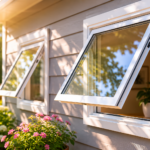
The key advantage for cleaning is the tilt-in feature. Both sashes pivot inward from the top, allowing you to clean the exterior glass surface from inside your home safely. This design eliminates the need for ladders or reaching through the window from outside—particularly valuable for second-story windows or homes with challenging exterior access.
Modern double hung windows, especially ENERGY STAR® certified models, include high-quality hardware and easy-release mechanisms that make the tilting process smooth and secure. At Thompson Creek, our custom-manufactured double hung windows are built with homeowner convenience in mind, featuring durable tilt latches tested to withstand years of regular use.
Best Time and Conditions for Cleaning Double Hung Windows
Timing matters when cleaning windows. Choose a dry, overcast day for best results. Direct sunlight causes cleaning solutions to evaporate too quickly, leaving streaks and water spots on the glass before you can wipe them away.
Optimal cleaning conditions:
- Temperature between 50-70°F
- Low to no direct sunlight
- Low humidity (below 70%)
- Calm winds (especially important in the Mid-Atlantic where spring and fall winds can be strong)
- Avoid cleaning immediately after rain (wait for frames to dry completely)
Spring and fall are ideal seasons for comprehensive window cleaning in Maryland and Virginia. Spring cleaning removes winter salt residue, pollen buildup, and prepares windows for summer storms. Fall cleaning clears away summer dust and prepares your home for winter, when clean windows maximize natural light during shorter days.
Essential Supplies for Cleaning Double Hung Windows
Gather these supplies before starting your window cleaning project:
Cleaning solution options:
- Homemade solution: 2 cups water + ½ cup white or cider vinegar + ¼ cup cornstarch
- Commercial option: Professional window cleaning solution (streak-free formula)
- Eco-friendly option: 2 cups water + ¼ cup white vinegar + 2 tablespoons lemon juice
Tools and materials:
- Microfiber cloths (lint-free and reusable)
- Soft-bristle brush for screens
- Vacuum with brush attachment
- Bucket for cleaning solution
- Spray bottle for application
- Soft cloth or sponge for frames
- Towels to protect floor surfaces
- Mild dish soap for tracks and screens
Avoid these items:
- Abrasive scrubbers that scratch glass or vinyl frames
- Paper towels that leave lint
- Squeegees (difficult to use on windows with exterior grids)
- Harsh chemicals that damage window seals or weatherstripping
- High-pressure washers that force water into weatherstripping
Step-by-Step Guide: How to Clean Double Hung Windows
Follow this proven method used by professional window cleaners:
Step 1: Prepare the Window Area
Clear the window area of curtains, blinds, and decorative items. Place towels on the window sill and floor to catch drips. Vacuum or sweep loose dirt from the window track using a brush attachment. This prevents turning dirt into mud when you start wet cleaning.
Step 2: Clean Window Tracks and Frames First
Use a vacuum with a brush attachment to remove dust, dead insects, and debris from the window tracks. For stubborn dirt, dampen a cloth with mild soapy water and wipe down all track surfaces. Pay special attention to the corners where grime accumulates. Wipe down the entire window frame and sill with a soft cloth, removing cobwebs, dust, and pollen.
Avoid abrasive materials on vinyl window frames—they can scratch the surface and make future cleaning harder. Thompson Creek’s custom vinyl windows feature smooth, durable finishes designed for easy maintenance and long-lasting beauty.
Step 3: Remove and Clean Window Screens
Clean windows can still look dirty if screens are dusty or pollen-covered. Remove screens by gently pushing the tabs at the bottom and lifting out. Take screens outside and rinse with a garden hose or clean in a bathtub using:
- Warm water
- Few drops of mild dish soap
- Soft-bristle brush for scrubbing
Gently scrub both sides of the screen, rinse thoroughly, and let air dry completely before reinstalling. Never use high pressure that can damage the mesh or frame. Learn more about proper window screen maintenance to extend their lifespan.
Step 4: Tilt and Clean the Window Sashes
This is where the double hung design shines. Here’s how to safely tilt your windows:
For the bottom sash:
- Unlock the window sash locks (located on the top rail of the bottom sash)
- Raise the bottom sash approximately 6 inches
- Locate the tilt latches on both sides of the sash
- Press both tilt latches simultaneously and pull the top of the sash toward you
- The sash will pivot inward, exposing the exterior glass surface
For the top sash:
- Lower the top sash several inches
- Press the tilt latches on both sides
- Pull the top of the sash toward you to pivot inward
- The sash will tilt down, allowing you to clean the exterior
Important safety tip: Support the tilted sash with one hand while cleaning with the other. You can also rest the tilted sash against a chair or your knee for stability, but never let go completely—windows can slip if not properly supported.
Step 5: Apply Cleaning Solution and Wipe Clean
Spray your cleaning solution generously onto the glass surface. Use a microfiber cloth to wipe in a consistent pattern:
- Interior glass: Wipe horizontally (side to side)
- Exterior glass: Wipe vertically (top to bottom)
This directional cleaning technique helps you identify which side has streaks when you step back to inspect. If you see horizontal streaks, they’re on the inside; vertical streaks are on the outside.
Work from top to bottom to prevent drips from marking already-cleaned areas. Use a dry microfiber cloth to buff the glass to a streak-free shine. For stubborn spots like bird droppings or dried sap, let the cleaning solution sit for a minute before wiping.
Step 6: Return Sashes to Position
Once both sides of the glass are clean, return the sash to its original position:
- Hold the tilted sash firmly
- Pivot it back to vertical position
- Push upward gently until you hear or feel the sash click into place
- Test that the sash is properly seated by gently pulling on the frame
- Repeat the process for the other sash
Start with the top sash, then move to the bottom sash. This order prevents interference between the two sashes during the return process.
Step 7: Final Inspection and Touch-Ups
Step back and inspect your work from different angles and lighting conditions. Look for:
- Remaining streaks or spots
- Fingerprints on the glass
- Soap residue on frames
- Proper sash alignment
Address any issues immediately while cleaning supplies are still accessible. Reinstall clean, dry window screens and rehang window treatments. For additional tips on keeping your windows clean between deep cleans, establish a regular maintenance routine.
How to Clean Hard-to-Reach Double Hung Windows
Second-story and high windows present additional challenges. For upper-level double hung windows, the tilt-in feature becomes even more valuable—it eliminates the need for extension ladders.
Safety tips for hard-to-reach windows:
- Work from inside whenever possible
- Use a sturdy step stool if needed (never a chair)
- Have someone spot you when using a ladder outdoors
- Consider professional cleaning for extremely high or difficult access windows
- Never lean out of windows to clean exterior surfaces
If exterior cleaning from ground level is necessary, use an extension pole with a window cleaning attachment. However, the tilt-in design of quality double hung windows should eliminate this need for most homes.
Cleaning Vinyl vs. Wood Double Hung Windows
Window frame material affects your cleaning approach:
Vinyl window frames (like those custom-manufactured at Thompson Creek’s Maryland facility):
- Wipe with mild soap and water
- Never use abrasive cleaners or scrubbers
- Avoid petroleum-based products that can damage vinyl
- Don’t paint or use harsh chemicals
- UV-resistant vinyl won’t fade or crack over time
Wood window frames:
- Check for chipped or peeling paint before cleaning
- Use wood-safe cleaners
- Avoid excessive water that can cause warping
- Consider touching up paint annually
- Inspect for rot or water damage during cleaning
Thompson Creek’s vinyl replacement windows offer superior low-maintenance performance for Mid-Atlantic homeowners. Unlike wood windows that require regular painting and sealing, our custom vinyl windows maintain their appearance year after year with simple soap-and-water cleaning. For comprehensive guidance on caring for windows, including different frame materials and special considerations, refer to our complete maintenance guide.
Inspecting Your Double Hung Windows During Cleaning
Window cleaning time is the perfect opportunity to inspect for problems. Look for these warning signs:
Energy efficiency issues:
- Drafts around the window frame (feel with your hand on a windy day)
- Condensation between glass panes (indicates seal failure)
- Difficulty opening or closing sashes (worn balance mechanisms)
- Visible gaps in weatherstripping
- Peeling or damaged caulking around the exterior frame
Structural problems:
- Cracked or chipped glass
- Warped or damaged frames
- Stuck or binding sashes
- Broken tilt latches or locks
- Water stains or rot (especially on wood frames)
- Loose or missing exterior trim
An easy draft test: On a windy day, run your hand along the interior window frame edges. If you feel air movement, your windows are leaking conditioned air—costing you money on heating and cooling bills. Another method is to hold a lit candle near the window frame edges; if the flame flickers or blows out, you have an air leak.
Modern energy-efficient replacement windows from Thompson Creek are tested to withstand winds up to 146 mph and provide superior insulation values. If your current windows are 15+ years old and showing signs of wear, replacement may be more cost-effective than ongoing repairs.
How Often Should You Clean Double Hung Windows?
Cleaning frequency depends on your location and environmental factors:
Full cleaning (inside and outside):
- Minimum: Twice per year (spring and fall)
- Recommended for Mid-Atlantic homes: 3-4 times per year
- High-traffic areas or coastal locations: Monthly
Quick maintenance cleaning:
- Interior glass: Weekly or bi-weekly wipe-down
- Exterior glass: Monthly (or after storms)
- Window tracks: Monthly vacuuming
- Screens: Seasonally (spring and fall)
Extra cleaning needed after:
- Major storms (removes salt spray, debris)
- Pollen season peaks (typically April-May and September-October in Maryland/Virginia)
- Construction or renovation projects nearby
- Wildfire smoke events (increasing frequency in recent years)
Regular maintenance prevents buildup that becomes harder to remove over time. Clean windows also help you spot potential problems early, before they require expensive repairs. If you notice your window screens need replacement, addressing this promptly ensures your windows continue to function optimally.
Common Double Hung Window Cleaning Mistakes to Avoid
Avoid these errors that can damage windows or reduce cleaning effectiveness:
❌ Using ammonia-based cleaners on tinted or coated glass – Can damage window films or Low-E coatings
❌ Cleaning in direct sunlight – Causes streaking and makes it difficult to see your work
❌ Applying too much pressure – Can crack glass or damage weatherstripping
❌ Forgetting to clean screens – Dirty screens make clean windows appear hazy
❌ Not supporting tilted sashes – Can result in dropped windows or damaged hardware
❌ Using abrasive tools on vinyl frames – Scratches the surface permanently
❌ Cleaning windows in freezing temperatures – Water can freeze in tracks and damage mechanisms
❌ Ignoring window tracks – Buildup prevents proper sash operation and can damage window hardware
❌ Skipping safety precautions – Increases risk of falls or injuries, especially with upper-story windows
Maintaining Your Double Hung Windows Between Cleanings
Keep windows functioning beautifully year-round with these maintenance tips:
Monthly tasks:
- Vacuum window tracks to prevent buildup
- Check weatherstripping for damage
- Test sash operation (should move smoothly)
- Wipe down frames to prevent dirt accumulation
Seasonal tasks:
- Lubricate tracks and hardware with silicone spray (never oil-based products)
- Inspect caulking and seals
- Check for condensation or fog between panes
- Test window locks for security
Annual tasks:
- Complete interior and exterior deep cleaning
- Inspect all weatherstripping and replace if worn
- Touch up paint on wood frames (if applicable)
- Professional inspection for older windows (15+ years)
Proper maintenance extends window life and maintains energy efficiency. However, even well-maintained windows eventually need replacement. Thompson Creek’s 50-year No-Hassle Warranty covers both products and installation, giving you peace of mind for decades.
When to Consider Window Replacement Instead of Cleaning
Sometimes cleaning reveals problems that indicate it’s time for new windows:
Replace windows if you notice:
- Persistent drafts despite new weatherstripping
- Condensation or fog between panes (seal failure)
- Difficulty opening or closing despite lubrication
- Cracked or broken glass
- Rotting frames (especially wood windows)
- Warped or damaged sashes
- Significant exterior water damage or staining
- Windows installed more than 20 years ago
Benefits of modern replacement windows:
- Up to 40% reduction in heating and cooling costs (ENERGY STAR® data)
- Improved comfort with reduced drafts
- Enhanced home security with modern locks
- Increased home value (NAR reports 73% of home value recovered)
- Reduced maintenance time and costs
- Better noise reduction from outside
- UV protection for furniture and flooring
Learn about when to replace windows and the signs that indicate it’s time for an upgrade. Understanding the benefits of energy-efficient windows can help you make an informed decision about your home improvement investment.
Frequently Asked Questions About Cleaning Double Hung Windows
Can I clean double hung windows from outside?
While possible, it’s unnecessary with tilt-in double hung windows. The design allows complete exterior cleaning from inside your home, which is safer and more convenient, especially for second-story windows.
What’s the best homemade window cleaning solution?
Mix 2 cups water, ½ cup white vinegar, and ¼ cup cornstarch. This solution cuts through dirt and grease without leaving streaks and is safe for all window types.
How do I clean double hung windows that won’t tilt?
If tilt latches are stuck, try spraying silicone lubricant on the latch mechanism. If they still won’t release, the latches may be broken and need professional repair. Never force stuck windows—this can cause permanent damage. Check our guide on common window problems for troubleshooting tips.
Should I clean windows with newspaper?
No. While this old method was once popular, newspaper ink can leave residue on frames and modern microfiber cloths work far better for streak-free results without leaving lint behind.
Can I use a pressure washer on my windows?
No. Pressure washers can force water past weatherstripping, damage window seals, crack glass, and destroy the delicate balance mechanisms inside the window frame. Always hand-clean double hung windows.
What causes foggy windows between the panes?
Condensation between glass panes indicates seal failure. This cannot be cleaned—the insulated glass unit needs replacement. Modern windows like those from Thompson Creek use advanced spacer systems and high-quality seals to prevent this issue for decades.
How do I clean windows with grids or grilles?
For exterior grids (SDL – simulated divided lite), clean around each grid section carefully. For interior grilles that snap in, remove them, clean the glass, then clean and reinstall the grilles. Never use squeegees on windows with grids—they miss sections and leave streaks.
Are double hung or casement windows easier to clean?
Both styles offer easy cleaning when properly designed. Double hung windows tilt in for cleaning, while casement windows swing outward for full access. For comparison, see our guide on cleaning awning windows, which share similar features with casement windows.
How do I protect windows from strong winds during storms?
Regular maintenance, proper weatherstripping, and quality installation are key. Thompson Creek windows are tested to withstand winds up to 146 mph. Learn more about protecting windows from strong winds during severe weather.
Why Choose Thompson Creek for Your Window Needs
Thompson Creek has manufactured custom windows in our Maryland facility since 1980, serving Mid-Atlantic homeowners with industry-leading quality. Our double hung windows are specifically engineered for the region’s climate challenges—from humid summers to harsh winters and everything in between.
What sets Thompson Creek apart:
- Custom-manufactured in our 70,000 sq ft Maryland facility for perfect fit
- 50-year No-Hassle Warranty covering both products and installation
- ENERGY STAR® certified windows exceeding 2022 efficiency criteria
- 146 mph wind resistance (AAMA tested) for Mid-Atlantic storm protection
- 100% accountability from design through installation and service
- Factory-trained installers who ensure proper fit and performance
Our vinyl double hung windows feature easy-clean tilt latches, durable weatherstripping, and low-maintenance frames that resist fading, cracking, and warping. With over 40 years serving Maryland, Virginia, DC, Pennsylvania, and North Carolina, we understand exactly what Mid-Atlantic homeowners need from their windows.
Ready to upgrade to worry-free windows? Schedule your free consultation today and discover why homeowners trust Thompson Creek for replacement windows that last. Get a no-obligation estimate from our window experts and see how custom-manufactured windows can transform your home’s comfort and energy efficiency. You may also qualify for Maryland window tax credits and rebates that make your investment even more affordable.