

If outside noise seems to pass straight through your windows, you’re not alone. Traffic, neighbors, planes, and everyday activity often feel louder indoors than homeowners expect—especially in busy or growing areas. While windows play a major role in how sound enters a home, noisy windows aren’t always a sign that something is “wrong.”
The challenge is figuring out whether the noise you’re hearing is normal, fixable, or tied to a larger structural issue. This guide explains why windows let in noise, how to identify the source, which soundproofing solutions actually help, and when professional assessment makes sense—without exaggeration or sales pressure.
Why Windows Let in Noise
Sound travels through vibration and air movement. Windows are one of the least solid parts of a home’s exterior, which makes them a natural pathway for noise. Environmental exposure and wind conditions can also influence performance — see how coastal vs inland window costs compare.
At a high level, sound enters through:
- Air gaps that allow sound waves to pass directly inside
- Glass vibration when sound energy hits thin or lightly insulated panes
- Frame and wall connections that transmit vibration into the room
Even well-built homes experience some noise transmission through windows. The goal is reduction, not complete silence.
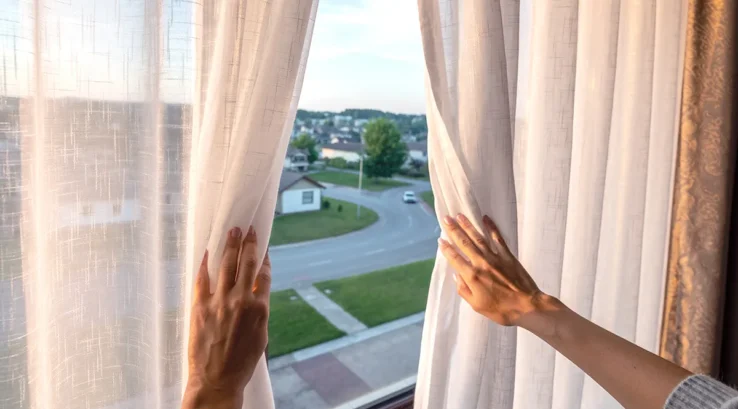
Common Causes of Noisy Windows
Most window-related noise issues come down to sealing, construction, or surrounding conditions.
Gaps and Air Leaks Around the Window
Small gaps around the window frame allow both air and sound to pass through.
These leaks may not be noticeable visually, but they can make outside noise feel sharper and closer—similar to how drafts behave, as explained in our guide to drafty windows and how to fix them.
Why it matters: sound travels efficiently through air gaps, even tiny ones.
Single-Pane or Older Windows
Older windows, especially single-pane designs, provide very little sound buffering.
Without multiple layers or insulating space, outside noise transfers more easily into the room.
Why it matters: age alone doesn’t mean failure, but older windows often lack modern noise-reduction capability.
Improper Window Installation
A window can be new and still noisy if it wasn’t installed with proper sealing and support.
Poorly sealed perimeters or uneven framing allow sound to bypass the window itself and enter through surrounding gaps. Learn more about the signs of a bad window installation and how improper sealing affects performance.
Why it matters: installation-related noise issues usually require professional correction, not surface fixes.
Thin Glass or Basic Window Construction
Not all windows are designed with sound reduction in mind.
Thin glass and basic frame construction vibrate more when exposed to sound waves, allowing noise to carry indoors.
Why it matters: even sealed windows can transmit noise if construction is minimal.
Structural Noise Paths Near Windows
Sometimes the window isn’t the main issue.
Sound can travel through nearby walls, trim, or framing and seem like it’s coming through the glass. Moisture intrusion can follow similar hidden paths — explore the top causes of a leaking window.
Why it matters: treating the window alone may not fully resolve the problem.

How to Tell Where Window Noise Is Coming From
You don’t need specialized equipment to narrow down the source.
Helpful diagnostic steps include:
- Location-based listening: Note whether noise is strongest at the glass, frame, or surrounding wall
- Time-of-day patterns: Traffic, school activity, or flight paths often follow schedules
- Pressure and hand tests: Gently feel for air movement around the window during noisy periods
If noise changes with wind direction or pressure, air leakage is often involved. If it’s constant regardless of conditions, glass or structural transmission may be the cause.
Window Soundproofing Options — What Works and What Doesn’t
Not all soundproofing solutions deliver the same results. Understanding their limits prevents disappointment.
Short-Term or Temporary Noise Reduction
These options can help modestly but won’t eliminate noise.
- Temporary window inserts
- Heavy curtains or acoustic drapes
- Interior sealing for small gaps
Why results are limited: these solutions reduce vibration slightly but don’t address core transmission paths.
Professional Fixes and Installation Corrections
Professional solutions focus on sealing and fit rather than add-ons.
These may include:
- Comprehensive air sealing around the window opening
- Correcting installation gaps or uneven framing
- Improving the window-to-wall connection
These fixes can noticeably reduce noise when leakage is the main issue.
When Window Replacement Improves Noise Reduction
Replacement can help when noise issues stem from window design or age.
Replacement may be appropriate if:
- Windows are single-pane or very old. Larger or custom-sized windows can also affect budgeting — see how window size impacts replacement cost.
- Noise remains despite sealing improvements
- Installation limitations can’t be corrected
Replacement improves sound reduction, not total soundproofing. Cost considerations can be reviewed in our complete guide to window replacement costs in 2026. You can also use our Window Replacement Cost Calculator to estimate pricing based on your home and layout.
Why Ignoring Noisy Windows Can Affect Comfort and Well-Being
Noise isn’t just an annoyance—it affects how a home feels.
Over time, persistent noise can contribute to:
- Interrupted sleep
- Reduced ability to concentrate
- Increased stress or fatigue
Addressing noise improves perceived comfort, even if the sound source itself doesn’t change.
What to Do If Your Windows Are Too Noisy
A clear, step-by-step approach works best.
- Identify whether noise enters through the glass, frame, or surrounding structure
- Try minor sealing or temporary solutions if gaps are suspected
- Monitor whether improvements are consistent or limited
- Schedule a professional assessment if noise persists or worsens
If windows also show fogging or moisture, review our guide to fogged window glass and failed seals to rule out related performance issues.
FAQs – Noisy Windows & Soundproofing
Can new windows really reduce outside noise?
Yes, but results vary. New windows can reduce noise compared to older or single-pane windows, especially when sealing and installation are improved. However, they won’t block all outside sound.
Are noisy windows always an installation problem?
No. Noise can result from window design, age, or nearby structural paths. Installation issues are one possibility, but not the only cause.
Do soundproof windows block all noise?
No window blocks all sound. Sound reduction is realistic; complete soundproofing is not. Expectations should focus on noticeable improvement, not silence.
Is window soundproofing worth it?
It can be, depending on the noise source and severity. Minor fixes help modestly, while structural or window-related issues may require professional solutions to see meaningful improvement.
Can noisy windows indicate other problems?
Sometimes. Noise issues can overlap with air leakage or comfort problems. If you also notice drafts, review Drafty Windows: Causes & Fixes for related signs.