Philadelphia’s architectural landscape demands windows that balance historic charm with cutting-edge performance. As we move into 2026, window design trends reflect deeper cultural shifts toward intentional living, climate resilience, and personalized spaces. Whether you’re updating a century-old rowhome in Old City or modernizing a suburban property in the Main Line, these emerging trends combine sophisticated aesthetics with the energy efficiency Mid-Atlantic homeowners need.
From slim-profile frames to climate-adaptive technologies, 2026’s window styles address Philadelphia’s unique four-season challenges while enhancing your home’s comfort and value.
Leading Window Design Trends Shaping Philadelphia Homes in 2026
Window design has evolved from purely functional elements to central architectural features that shape how we experience home. The trends emerging in 2026 reflect homeowners’ priorities: creating calmer spaces, adapting to climate challenges, and investing in lasting quality.
Selective Retreat: Natural Light for Calming Spaces
One of the defining trends of 2026 is “Selective Retreat”—designing spaces that offer calm and restoration in our tech-saturated world. Windows play a central role by maximizing natural light and connecting interiors with outdoor landscapes. Large, strategically placed windows help create peaceful environments that promote well-being without relying on screens or artificial stimulation.
Philadelphia homeowners are increasingly using picture windows and transom installations to flood living spaces with natural light, particularly in home offices and reading nooks where focus and tranquility matter most.
Oversized Windows and Expansive Glass Walls
Large-format windows continue dominating residential architecture in 2026, moving beyond luxury homes into mainstream renovations. Floor-to-ceiling windows and multi-slide door systems create seamless indoor-outdoor connections perfect for enjoying Philadelphia’s distinct seasons—from spring garden blooms to fall foliage views.
These expansive installations require superior weather resistance. For Mid-Atlantic homes, this means selecting windows tested to withstand strong wind loads, heavy precipitation, and temperature swings that can exceed 70 degrees between winter and summer.
Minimal Frame Profiles with Maximum Performance
Clean lines and slim frame profiles define 2026’s most sought-after window designs. These minimalist frames maximize glass area while maintaining structural integrity through improved aluminum supports and stronger internal reinforcements. The result: unobstructed views combined with modern aesthetics that complement both historic and contemporary Philadelphia architecture.
Slim frames aren’t just about looks—they’re becoming a performance expectation, allowing more daylight while maintaining thermal efficiency through advanced thermal breaks and weather-tight seals.
Energy-Efficient Solutions for Philadelphia’s Four-Season Climate
Philadelphia’s climate demands windows that perform through humid summers reaching 90°F and winter cold snaps below 20°F. Energy-efficient window technology has advanced significantly, offering homeowners unprecedented control over comfort and utility costs.
Triple-Pane Technology for Superior Insulation
Triple-pane windows represent the gold standard for energy efficiency in 2026. These windows feature three layers of glass with insulating gas fills between each pane, providing exceptional thermal performance and noise reduction—essential for urban Philadelphia environments where street noise and temperature control matter.
While double-pane windows remain effective for most applications, triple-pane technology is increasingly accessible, offering improved U-factors (below 0.20) that significantly reduce heat transfer. For homeowners focused on maximizing energy savings, triple-pane windows deliver measurable results in utility bill reduction.
Smart Glass and Dynamic Tinting
2026 brings remarkable advances in smart glass technology. Dynamic glass automatically adjusts tint levels based on sunlight exposure, maintaining consistent indoor temperatures while protecting furniture from UV damage. This technology is becoming more affordable and accessible, offering Philadelphia homeowners year-round climate control without sacrificing natural light.
Smart glass integration works seamlessly with home automation systems, allowing remote control of window opacity and solar heat gain. This is particularly valuable for west-facing windows that experience intense afternoon sun during Philadelphia’s summer months.
Low-E Coatings and Gas Fills
Low-emissivity (Low-E) coatings remain essential for energy-efficient windows in 2026. These microscopically thin coatings reflect infrared heat while allowing visible light to pass through, keeping homes warmer in winter and cooler in summer. When combined with argon or krypton gas fills between panes, these windows achieve superior insulation values.
For Philadelphia’s Mid-Atlantic climate zone, ENERGY STAR® certified windows can reduce heating and cooling costs by up to 12%, with some homeowners reporting even greater savings depending on their home’s orientation and existing insulation.
Sustainable Materials and Climate-Resilient Design
Environmental consciousness drives material choices in 2026, with sustainability becoming standard rather than optional. Philadelphia homeowners increasingly prioritize windows that reduce environmental impact while withstanding regional climate extremes.
Resilient Choices: Climate-Adaptive Materials
The “Resilient Choices” trend emphasizes windows engineered for long-term performance through temperature swings, storms, and moisture exposure. Fiberglass frames resist warping, rotting, and corrosion—critical for Philadelphia’s humid summers and freeze-thaw winter cycles. Composite materials offer similar durability with enhanced thermal performance.
These materials maintain structural integrity through extreme conditions, helping prevent drafts and seal failures that compromise energy efficiency. For homeowners in coastal Mid-Atlantic areas or those concerned about severe weather, climate-resilient materials provide essential peace of mind.
Recycled and Sustainably Sourced Materials
Windows manufactured from recycled content and sustainably harvested materials gain traction in 2026. Vinyl window frames now incorporate recycled materials without sacrificing performance, while wood-clad options use responsibly sourced timber protected by durable aluminum exteriors.
Net-zero homes—residences that generate as much energy as they consume—increasingly specify high-performance windows as foundational components. These homes use efficient insulation, solar energy, and eco-conscious materials to minimize environmental impact while maximizing comfort.
Curated Personalization: Custom Manufacturing
“Curated Where It Counts” reflects 2026’s emphasis on thoughtful personalization. Homeowners across all budgets now expect windows tailored to their specific needs, whether that means custom sizes for historic Philadelphia rowhomes or distinctive finishes that complement unique architectural styles.
Custom-manufactured windows ensure a perfect fit and maximum efficiency—particularly important for older homes with non-standard openings. Thompson Creek’s Maryland manufacturing facility produces windows built to exact specifications for each home, eliminating gaps and drafts common with stock-sized alternatives.
Modern Window Styles Enhancing Home Architecture
The right window style creates architectural character while serving practical needs. 2026’s trending styles offer versatility for Philadelphia’s diverse housing stock, from Victorian mansions to contemporary townhomes.
Black Frame Windows: Bold Contrast
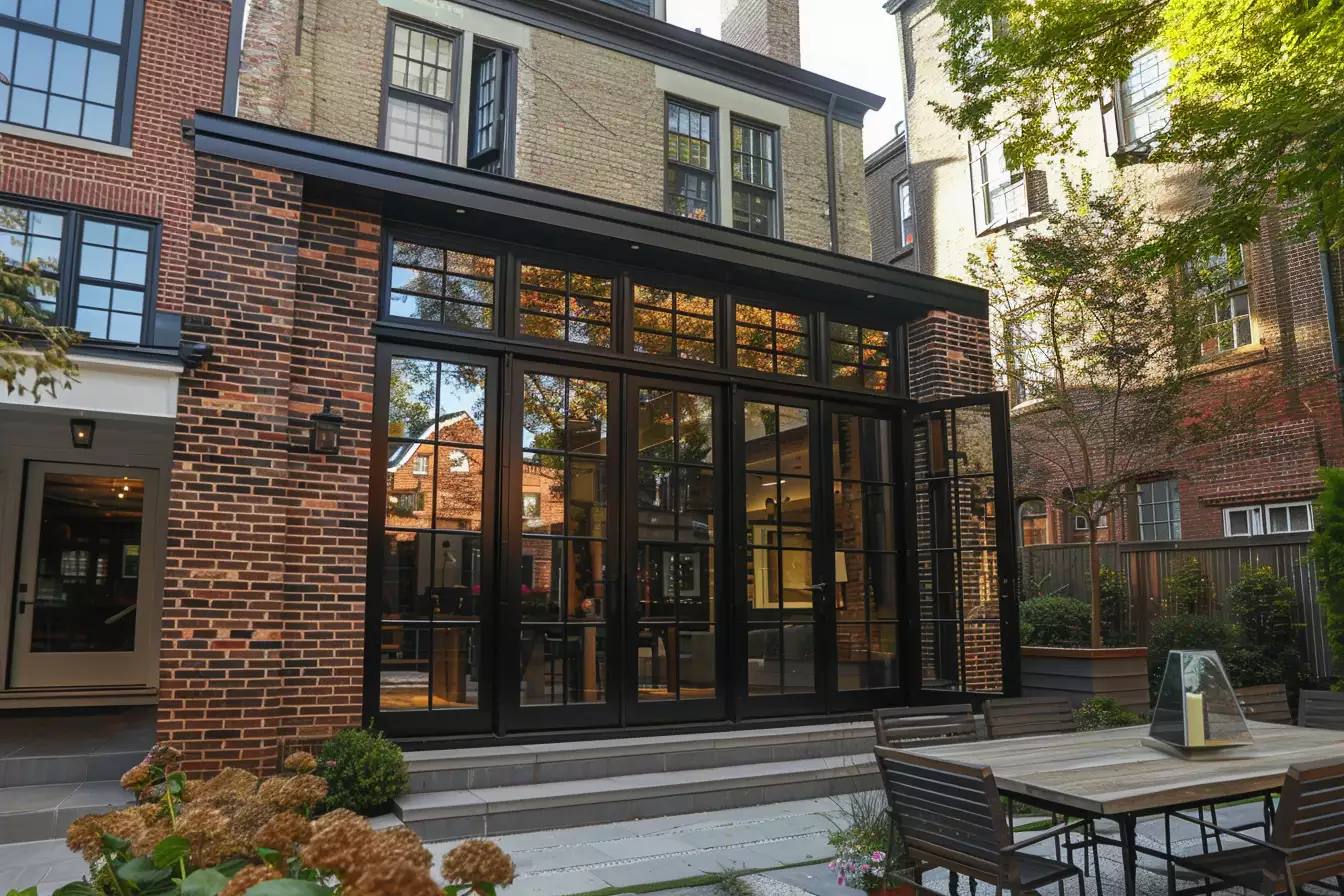
Black window frames maintain strong popularity in 2026, offering dramatic contrast that enhances both historic and modern aesthetics. This bold choice works exceptionally well with Philadelphia’s brick facades, stone exteriors, and painted siding, creating visual interest while maintaining clean lines.
Black frames pair beautifully with the “Soulful Intention” trend—creating spaces with depth, character, and emotional resonance. The frames’ warmth and definition help ground contemporary interiors while respectfully updating traditional homes.
Mixed Geometry and Architectural Interest
Combining window shapes and sizes creates unique architectural features that elevate home design. Popular 2026 combinations include large picture windows flanked by operable casement windows, providing both expansive views and functional ventilation. Bay and bow windows continue offering dimensional interest, particularly effective in Philadelphia’s narrow rowhome lots, where they create additional interior space and light.
Casement windows remain among the most energy-efficient styles available, with compression seals that tighten when closed—ideal for windy conditions common in Philadelphia’s spring and fall seasons.
Organic Modern Design Elements
Organic modern design blends clean contemporary lines with natural, comforting elements—a perfect match for window design in 2026. This approach emphasizes rounded forms, warm finishes, and materials like wood that bring comfort into modern spaces without stark minimalism.
Windows with wood interiors and durable exterior cladding exemplify this trend, offering the natural beauty of wood with weather-resistant performance. These designs work seamlessly in Philadelphia homes transitioning between traditional architectural roots and contemporary living preferences.
Smart Technology Integration for Enhanced Living
Window technology continues advancing beyond basic function, with smart features becoming standard in 2026. These innovations offer convenience, security, and optimized energy management for Philadelphia homeowners.
Automated Operation and Climate Control
Remote-controlled windows and automated shading systems provide unprecedented convenience while enhancing energy efficiency. These systems integrate with whole-home automation platforms, allowing homeowners to adjust window operations based on weather conditions, time of day, or occupancy patterns.
Automated awning windows can open when temperatures drop below certain thresholds, providing natural ventilation without manual intervention—particularly valuable for hard-to-reach installations or for homeowners with mobility considerations.
Advanced Security Features
Modern windows incorporate sophisticated security features, including integrated sensors, reinforced locking systems, and smartphone connectivity. These features allow homeowners to monitor window status remotely and receive alerts if windows are opened unexpectedly—valuable for Philadelphia properties whether owners are across town or across the country.
Multi-point locking systems and impact-resistant glass options provide additional security for ground-level windows, addressing urban homeowners’ safety concerns without compromising aesthetic appeal.
Noise Reduction Technology
Philadelphia’s urban and suburban environments bring varying noise challenges, from traffic and sirens to construction and neighborhood activity. Triple-pane windows with laminated glass significantly reduce noise infiltration, creating quieter indoor environments that support rest, focus, and overall well-being.
This acoustic performance pairs perfectly with the “Selective Retreat” trend, helping homes become sanctuaries from constant external stimulation.
Financial Impact: Home Value and Energy Savings
Investing in 2026’s window design trends delivers measurable returns through increased property value and reduced operating costs. Philadelphia-area homeowners see particularly strong benefits given the region’s temperature extremes and competitive housing market.
Return on Investment for Philadelphia Homes
Quality window replacement projects typically return 70-72% of costs through increased home value, according to national cost-versus-value reports. In Philadelphia’s competitive market, homes with modern, energy-efficient windows attract buyers willing to pay premium prices, particularly when documentation shows measurable energy performance improvements.
Window upgrades also qualify for federal tax credits. Through 2032, homeowners can claim up to 30% of qualifying window installation costs, with an annual maximum credit of $600. Maryland residents enjoy additional state and utility rebates that can significantly reduce out-of-pocket costs.
Energy Cost Reduction
Philadelphia homeowners upgrading to ENERGY STAR® certified windows report average energy savings of 15-25% on monthly utility bills. Homes replacing single-pane windows with modern double-pane or triple-pane alternatives see even more dramatic improvements—in some cases reducing heating and cooling costs by 25-30%.
These savings compound over time. A $200 monthly reduction in utility costs equals $2,400 annually, helping quality windows pay for themselves within 8-12 years while delivering comfort improvements and increased home value throughout their 20-30 year lifespan.
Climate Resilience and Long-Term Value
Windows engineered for climate resilience provide lasting value beyond immediate energy savings. Philadelphia’s increasing exposure to extreme weather events—from intense summer storms to winter ice—makes durable, weather-resistant windows essential infrastructure rather than optional upgrades.
Quality windows properly installed maintain performance through decades of temperature swings, precipitation, and UV exposure. This longevity protects your investment while reducing long-term maintenance and replacement costs.
Choosing the Right Windows for Your Philadelphia Home
Selecting windows that balance aesthetic preferences, performance requirements, and budget considerations requires thoughtful evaluation of several key factors specific to Philadelphia’s unique environment.
Climate Compatibility for Mid-Atlantic Weather
Philadelphia experiences distinct four-season weather requiring windows that perform across a 70-degree temperature range. Prioritize windows with:
U-factors below 0.30 for optimal thermal insulation during cold winters. Lower U-factors indicate better resistance to heat transfer, keeping your home warmer when temperatures drop.
Appropriate SHGC (Solar Heat Gain Coefficient) ratings balance natural light with summer cooling needs. For most Philadelphia homes, SHGC between 0.25 and 0.40 provides good solar control without blocking excessive light.
AAMA testing certifications confirm windows meet structural performance standards for wind resistance, water infiltration prevention, and air leakage control. Thompson Creek windows are tested to withstand winds up to 146 mph—exceeding requirements for Philadelphia’s occasional severe storm events.
Architectural Style Compatibility
Philadelphia’s diverse architectural heritage—from Federal-style townhomes to Victorian mansions to mid-century ranches—demands windows that respect original design intent while incorporating modern performance. Consider how window styles complement your home’s character:
Historic properties often benefit from custom-sized windows matching original proportions, with modern materials hidden behind historically appropriate profiles.
Contemporary homes showcase architectural details through large-format windows, slim frames, and creative geometry that emphasizes clean lines.
Traditional suburban homes typically work well with classic double-hung or casement windows in neutral colors, updated with modern energy-efficient features invisible from exterior views.
Professional Installation Importance
Even the highest-quality windows underperform without expert installation. Proper installation ensures:
Weather-tight seals preventing air and water infiltration
Correct flashing and waterproofing protecting wall structures from moisture damage
Accurate alignment allowing smooth operation and preventing premature wear
Warranty protection maintained through manufacturer-approved installation methods
Thompson Creek’s installation expertise ensures your windows perform as designed, with attention to Philadelphia’s specific weather challenges and architectural considerations.
Why Choose Thompson Creek for Philadelphia Window Replacement
For over 40 years, Thompson Creek has served Mid-Atlantic homeowners with custom-manufactured windows engineered specifically for our region’s demanding climate. Our complete accountability model—designing, building, installing, and servicing every window—ensures consistent quality and lasting performance.
Our Maryland manufacturing facility produces windows custom-built to your home’s exact specifications, eliminating the gaps and drafts common with stock-sized alternatives. Every window exceeds ENERGY STAR® 2022 criteria and carries our industry-leading 50-year No-Hassle Warranty covering both products and installation.
Ready to transform your Philadelphia home with 2026’s most advanced window designs? Schedule your free consultation today and discover why Mid-Atlantic homeowners have trusted Thompson Creek since 1980. Our window experts will help you select the perfect combination of style, performance, and value—backed by professional installation and comprehensive warranty protection you can count on for decades to come.
Contact us at (240) 623-9332 or schedule online to receive your complimentary consultation and learn about current offers on custom-manufactured, energy-efficient windows.