
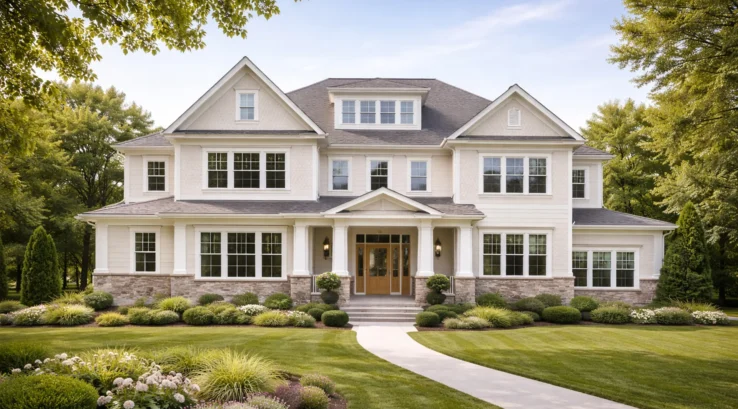
The number of floors in your home has a direct impact on window replacement cost. Even when the same windows are used, labor, access, and safety requirements change as a home gets taller. This is why two homeowners replacing identical windows can receive very different quotes based solely on height.
In this guide, we break down window replacement costs by number of floors—1-story, 2-story, and 3-story (or taller) homes—so you can understand where pricing differences come from and how they affect your project in 2026.
Why the Number of Floors Affects Window Replacement Cost
Window replacement cost increases with height because installation becomes more complex and time-intensive. Contractors must factor in safety planning, access limitations, and equipment needs long before the first window is installed.
Key reasons floors affect cost include:
- Labor time: Working at height slows installation and limits how many windows can be completed per day
- Safety requirements: Fall protection, secure staging, and trained crews are essential
- Equipment needs: Ladders, scaffolding, or lifts add setup time and expense
- Installation complexity: Precision and coordination increase as access becomes more restricted
These factors raise per-window labor costs, even if the window itself does not change.
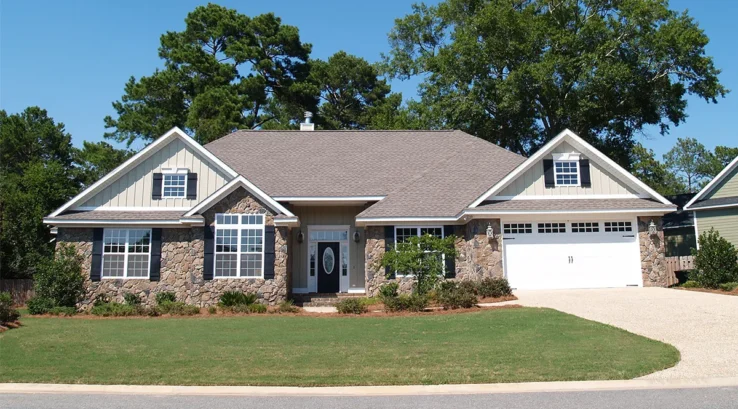
Window Replacement Cost for 1-Story Homes
Single-story homes are typically the most cost-efficient when it comes to window replacement.
Typical per-window cost range (2026):
$900 – $1,500 per window
Typical project cost range:
$8,000 – $20,000+, depending on window count and specifications
Easy Access and Installation Speed
All windows are accessible from ground level, allowing installers to work quickly and safely. Minimal setup time means crews can replace more windows in a single day.
Fewer Safety Requirements
Fall protection and specialized equipment are rarely needed. This reduces labor complexity and insurance-related overhead.
Standard Labor Assumptions
Most pricing models assume single-story access as the baseline. As a result, these homes often fall at the lower end of published cost ranges.
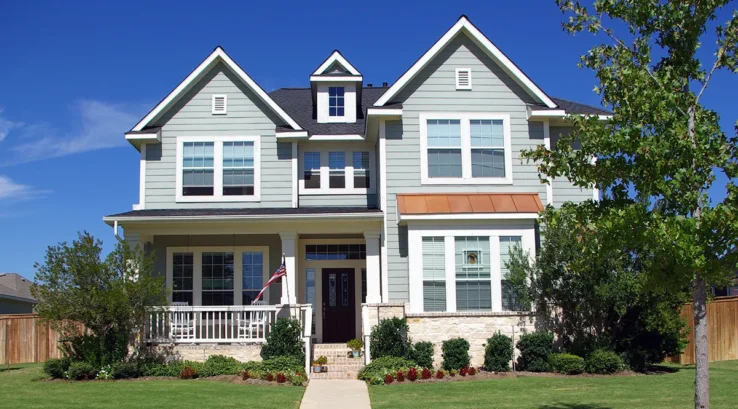
Window Replacement Cost for 2-Story Homes
Two-story homes introduce additional labor and safety considerations that increase cost compared to single-story homes.
Typical per-window cost range (2026):
$1,000 – $1,700 per window
Typical project cost range:
$9,000 – $22,000+, depending on layout and access
Ladder and Staging Requirements
Second-floor windows usually require extension ladders or temporary staging. Setup and repositioning take time and limit installation speed.
Additional Labor Time
Crews work more cautiously at height, which reduces the number of windows that can be installed per day. This increases labor hours per window.
Impact on Per-Window Pricing
Even a modest increase in labor time can raise per-window costs noticeably. This is why 2-story homes often see higher quotes even with standard-sized windows.
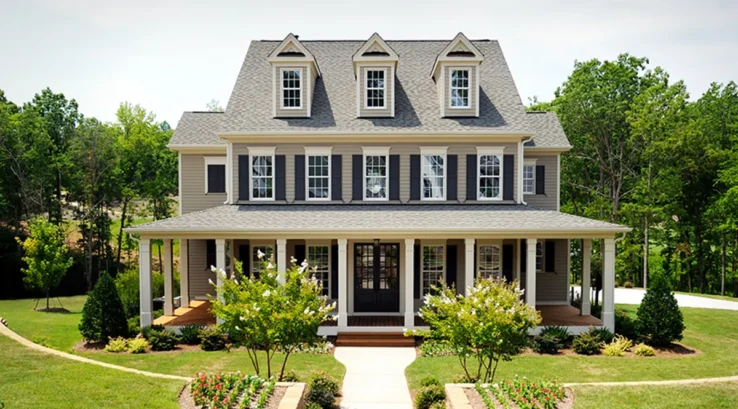
Window Replacement Cost for 3-Story (or Taller) Homes
Three-story and taller homes typically see the highest window replacement costs due to access and safety complexity.
Typical per-window cost range (2026):
$1,200 – $2,000+ per window
Typical project cost range:
$10,000 – $25,000+, depending on height, access, and window count
Equipment and Access Planning
Scaffolding or mechanical lifts may be required for upper floors. These systems require setup, breakdown, and trained operators.
Labor Complexity
Working at greater heights increases installation time and limits daily output. Crews may need additional personnel to maintain safety and efficiency. Improper installation at height can lead to long-term issues — learn the signs of bad window installation.
Scheduling and Crew Size
Multi-story projects often require larger crews or longer timelines, both of which increase total labor cost.
How Floors Interact with Other Cost Factors
Floor count does not exist in isolation. Its impact on pricing can increase or decrease depending on other variables, including:
- Window size: Larger or heavier windows amplify access challenges on upper floors — see how window size affects replacement cost.
- Home type: Condos and townhomes may combine height with restricted access
- Location: Urban or coastal areas often have stricter safety or permitting requirements — see how coastal vs inland window costs compare.
- Materials: Premium window materials can require more careful handling at height — compare vinyl vs composite window costs to understand how material choice affects pricing.
Because these factors stack together, two homes with the same number of floors can still have very different costs.
Estimate Your Window Replacement Cost
Multi-story homes often require additional labor and safety planning. Use our Window Replacement Cost Calculator to get a personalized estimate based on your home’s height, layout, and location.
FAQs – Window Replacement Cost by Number of Floors
Is it more expensive to replace windows on the second floor?
Yes. Second-floor windows typically cost more due to ladder use, additional safety precautions, and longer installation time. Even when the window itself is the same, labor costs are higher than for ground-level installations.
Do 3-story homes always require scaffolding?
Not always, but many do. If ladders cannot provide safe access, scaffolding or lifts are required. These systems increase setup time and labor costs, which is why pricing often rises significantly for taller homes.
Does floor count affect installation time?
Yes. As floor count increases, installers complete fewer windows per day due to access and safety constraints. Longer timelines translate directly into higher labor costs. Poor sealing on upper floors can also result in drafty windows and energy loss.
Can replacing all windows reduce labor costs in tall homes?
Replacing all windows at once can improve efficiency, even in multi-story homes. While height still adds cost, consolidated projects often reduce per-window labor compared to smaller, phased replacements.