
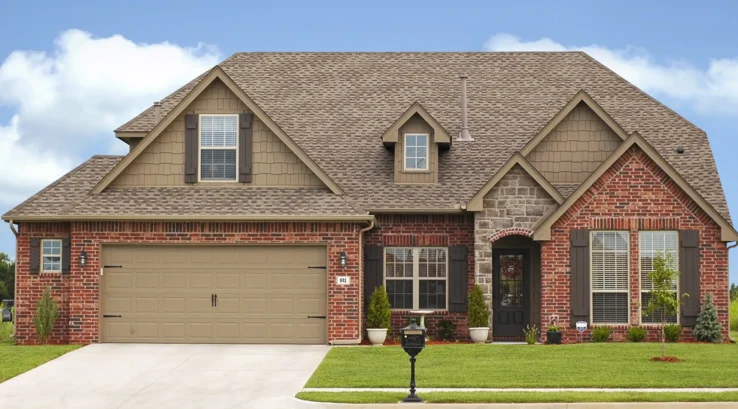
Window size is one of the most direct drivers of replacement cost. Even when using the same material and window type, pricing can vary significantly based on dimensions alone. Larger windows require more materials, additional labor, and more careful installation planning—costs that aren’t always obvious when homeowners compare quotes.
In this guide, we break down window replacement cost by window size—small, standard, and large or oversized windows—so you can understand how size affects pricing in 2026 and what to expect when planning upgrades or replacements. For a broader look at overall pricing ranges, see our complete guide to window replacement costs in 2026.
Why Window Size Affects Replacement Cost
Window size influences cost for reasons that go well beyond surface area. As windows get larger, nearly every part of the replacement process becomes more complex.
Key factors include:
- Material volume: Larger windows require more glass, framing, and structural reinforcement
- Handling and installation difficulty: Heavier units take more time and coordination to install safely
- Structural considerations: Oversized openings may require additional support or precise fitting
These factors increase both material and labor costs, often at a faster rate than size alone might suggest.
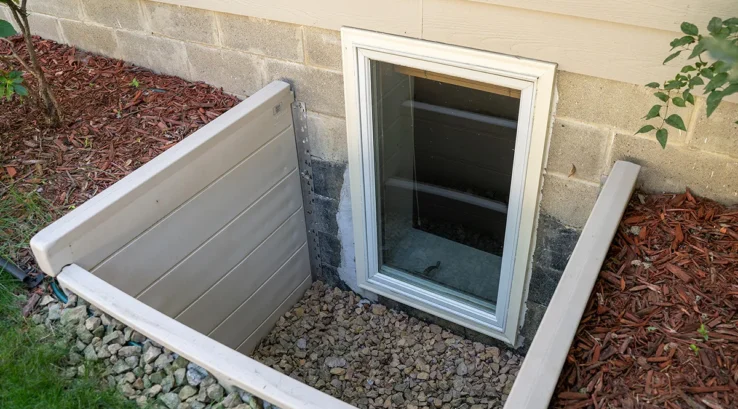
Cost to Replace Small Windows
Small windows typically include basement windows, bathroom windows, and compact bedroom windows.
Typical per-window cost range (2026):
$500 – $1,000 per window
Common Use Cases
Small windows are often used in secondary spaces where light and ventilation are functional rather than aesthetic priorities. They are frequently rectangular and fit standard openings.
Why These Are Usually the Most Affordable
Smaller windows use less material, are lighter to handle, and install quickly. They rarely require structural adjustments, which keeps labor time and overall cost low.
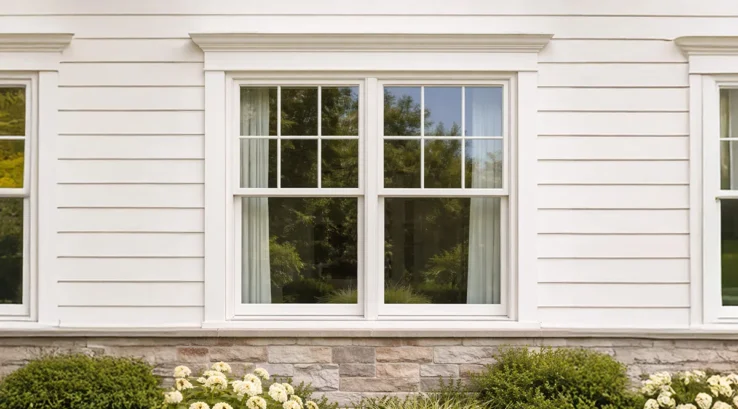
Cost to Replace Standard-Size Windows
Standard-size windows include most double-hung and sliding windows found in living rooms and bedrooms.
Typical per-window cost range (2026):
$900 – $1,600 per window
Why Standard Sizes Are Cost-Efficient
Standard dimensions are produced at scale, which lowers manufacturing costs. Replacement windows designed for these openings also fit more predictably, reducing installation time.
Manufacturing and Installation Efficiencies
Because these sizes are common, installers can work more efficiently and complete more windows per day. This keeps per-window labor costs closer to baseline pricing.

Cost to Replace Large and Oversized Windows
Large or oversized windows include picture windows, expansive front-facing windows, and custom-dimension units.
Typical per-window cost range (2026):
$1,500 – $3,000+ per window
Why Costs Rise Disproportionately
Larger windows require thicker glass, reinforced frames, and more careful handling. The cost increase is not linear—doubling the size often adds more than double the labor complexity. Incorrect installation can also increase the likelihood of fogged window glass caused by failed seals.
Structural and Installation Complexity
Oversized windows may require temporary supports during removal and installation. Precision is critical to avoid alignment issues or long-term performance problems. Improper fitting can lead to long-term issues — learn the signs of bad window installation.
Handling and Crew Requirements
Heavier units often require multiple installers or specialized equipment. This increases labor hours and coordination, especially in homes with limited access.
How Window Size Interacts with Other Cost Factors
Window size does not act alone. Its impact on pricing can increase or decrease depending on other conditions, including:
- Number of floors: Large windows on upper floors are more expensive to install — see how the number of floors affects window replacement cost.
- Home type: Condos and townhomes may restrict access for oversized units — explore window replacement cost by home type.
- Material choice: Heavier materials amplify handling challenges for large windows — compare vinyl vs composite window costs to understand pricing differences.
- Location: Coastal or high-wind areas may require additional reinforcement — see how coastal vs inland window costs compare.
These interactions explain why two windows of the same size can still carry different costs.
Estimate Your Window Replacement Cost
Window size plays a major role in pricing. Use our Window Replacement Cost Calculator to estimate your project based on window size, quantity, and home layout.
FAQs – Window Replacement Cost by Window Size
Are larger windows always more expensive to replace?
In most cases, yes. Larger windows require more materials and additional labor. However, accessibility and installation conditions can influence how much more expensive they are compared to smaller windows.
Do custom-sized windows cost more?
Yes. Custom dimensions typically cost more because they are manufactured to order and may require specialized installation planning. This increases both material and labor costs.
Is it cheaper to replace standard-size windows?
Standard-size windows are usually the most cost-efficient. They benefit from manufacturing efficiencies and predictable installation, which keeps labor time and pricing more stable.
Does window size affect installation time?
Yes. Larger and heavier windows take longer to install safely and accurately. Increased installation time directly affects labor costs. Poor sealing on oversized units can also result in drafty windows and energy loss.